


Popular
What types of dinosaurs are featured in Prehistoric Planet?
How does the series depict the parenting behaviors of dinosaurs?
What specific environments are explored in Prehistoric Planet?
Are there any interactions between different dinosaur species in the series?
How does the series portray the hunting strategies of carnivorous dinosaurs?
Should I watch it?
Ask Your Own Question

What is the plot?
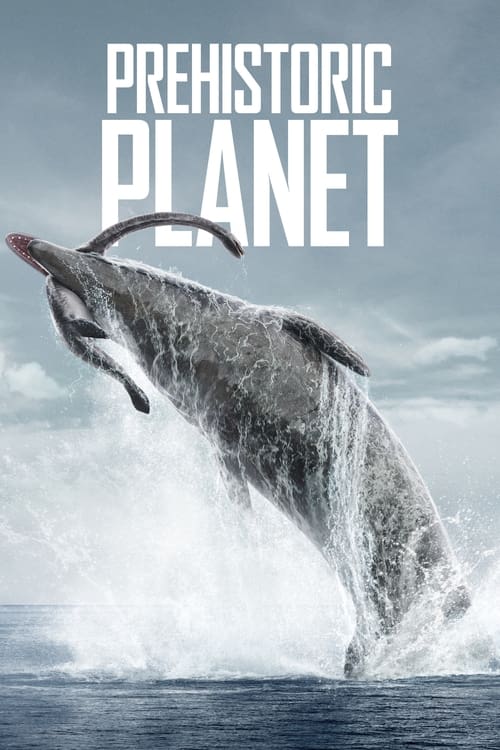
"Prehistoric Planet" is a nature documentary series that explores the world of dinosaurs and other prehistoric creatures, set in various environments across the Mesozoic era. Each episode focuses on different habitats and the life forms that inhabited them, showcasing their behaviors, interactions, and survival strategies.
The series begins with the first episode, "Coasts," which introduces viewers to the coastal environments of the Late Cretaceous period. The episode opens with sweeping aerial shots of a vibrant coastline, teeming with life. The narrator describes the rich biodiversity of the area, highlighting the presence of marine reptiles like the Plesiosaurus and the Ichthyosaurus. The camera dives underwater, revealing schools of fish and the hunting techniques of these ancient marine predators.
As the episode progresses, the focus shifts to the nesting behaviors of the Plesiosaurus. The female is shown carefully selecting a nesting site on the beach, using her flippers to dig a shallow nest in the sand. The emotional weight of this scene is palpable as the female exhibits protective instincts, guarding her eggs from potential threats. The tension builds when a group of predatory dinosaurs, such as the Troodon, approaches the nesting site, drawn by the scent of the eggs. The female Plesiosaurus must decide whether to stay and defend her nest or flee to protect herself.
In the second episode, "Deserts," the narrative transitions to the arid landscapes of the Late Cretaceous. The episode opens with a dramatic sunrise over a vast desert, showcasing the harsh conditions that dinosaurs must endure. The focus shifts to a herd of hadrosaurs, or duck-billed dinosaurs, as they navigate the challenging terrain in search of food and water. The camera captures their social interactions, highlighting the bonds within the herd.
A pivotal moment occurs when the herd encounters a water source, a rare oasis in the desert. The excitement is palpable as the dinosaurs rush to drink, but this moment of relief is short-lived. A pack of hungry Velociraptors lurks nearby, waiting for the opportune moment to strike. The tension escalates as the raptors launch a coordinated attack on the unsuspecting hadrosaurs. The scene is intense, with close-ups of the raptors' sharp claws and the frantic movements of the hadrosaurs as they attempt to escape.
The third episode, "Freshwater," shifts to a lush river environment, where the focus is on the interactions between various species. The episode begins with a serene view of a riverbank, where a family of sauropods, the long-necked dinosaurs, is seen grazing on vegetation. The narrator describes their feeding habits and the challenges they face from predators.
A dramatic sequence unfolds when a group of Allosaurus, fierce carnivores, stalks the sauropods. The tension builds as the Allosaurus strategize their attack, using the cover of the trees to get closer. The sauropods, sensing danger, begin to move in unison, showcasing their herd mentality. The Allosaurus launch their attack, and a chaotic chase ensues, with the camera capturing the raw power and speed of both predator and prey.
In the fourth episode, "Ice Worlds," the narrative takes viewers to a frigid environment, showcasing the adaptations of dinosaurs living in cold climates. The episode opens with sweeping shots of icy landscapes, where a group of theropods, including the feathered dinosaur, is seen foraging for food. The harsh conditions test their survival skills, and the emotional weight of their struggle is evident.
A key moment occurs when the group encounters a pack of larger predators, such as the Giganotosaurus. The tension escalates as the smaller theropods must decide whether to stand their ground or flee. The scene is filled with suspense as the predators close in, and the theropods use their agility to evade capture, showcasing their instinctual survival tactics.
The final episode, "Forests," brings the series to a close by exploring the dense, lush environments of the Late Cretaceous. The episode begins with a vibrant depiction of a forest teeming with life, where various species coexist. The focus shifts to a family of theropods, highlighting their nurturing behaviors as they care for their young.
A climactic moment occurs when a rival group of theropods encroaches on their territory. The tension builds as both groups prepare for a confrontation. The scene is filled with dramatic visuals of posturing and vocalizations, showcasing the emotional stakes involved. The conflict escalates into a fierce battle, with the camera capturing the intensity of the struggle for dominance and survival.
Throughout the series, the emotional journeys of the creatures are depicted with stunning visuals and a powerful narrative, immersing viewers in the prehistoric world and the challenges faced by its inhabitants. Each episode concludes with a reflection on the resilience of life in the face of adversity, leaving a lasting impression of the beauty and brutality of the Mesozoic era.
More TV Shows Like This
Browse All TV Shows →








What is the ending?
In the ending of "Prehistoric Planet," the series concludes with a powerful depiction of the resilience and struggles of various dinosaur species as they navigate their environments. The final scenes showcase the ongoing cycles of life, survival, and the interconnectedness of ecosystems, leaving viewers with a sense of wonder about the prehistoric world.
As the series draws to a close, we witness the final moments of several key dinosaur species. The narrative emphasizes the harsh realities of their existence, including the challenges of finding food, avoiding predators, and raising their young. The fate of each species is intertwined with the natural world, illustrating the delicate balance of life during the Cretaceous period.
In a detailed chronological narrative:
The final episode opens with a sweeping aerial view of a lush, vibrant landscape teeming with life. The camera glides over a herd of hadrosaurs, their distinctive crests glinting in the sunlight as they graze peacefully. The scene captures the essence of their daily lives, highlighting their social interactions and the nurturing bonds between mothers and their young. The emotional weight of this moment is palpable, as viewers can sense the joy and safety within the herd.
Transitioning to a nearby riverbank, the focus shifts to a family of theropods, specifically a mother and her chicks. The mother is vigilant, constantly scanning the surroundings for potential threats. As the chicks explore their environment, the tension builds, showcasing the instinctual behaviors that drive both the mother and her young. The scene is filled with a sense of urgency, as the mother's protective instincts are put to the test when a predator lurks nearby.
In a dramatic turn, the predator--a formidable carnivore--makes its move. The mother theropod springs into action, leading her chicks to safety with a mix of fear and determination. The chase is intense, filled with quick cuts between the frantic movements of the mother and the relentless pursuit of the predator. This sequence encapsulates the raw struggle for survival that defines the prehistoric world.
As the episode progresses, the narrative shifts to a serene coastal scene where a group of pterosaurs takes flight. Their graceful movements against the backdrop of a setting sun evoke a sense of freedom and beauty. However, this tranquility is short-lived as a storm brews on the horizon, reminding viewers of the unpredictable nature of life. The pterosaurs navigate the turbulent skies, showcasing their adaptability and resilience in the face of adversity.
The final scenes return to the hadrosaurs, now facing the challenges of a changing environment. As the landscape shifts due to climatic changes, the herd must adapt to new feeding grounds. The emotional weight of this transition is evident as the dinosaurs exhibit signs of stress and uncertainty. The camera lingers on the matriarch of the herd, her eyes reflecting the wisdom of experience as she leads her family into the unknown.
In the concluding moments, the series encapsulates the cyclical nature of life. The camera pans out to reveal the vastness of the prehistoric world, filled with both beauty and danger. The interconnectedness of all species is highlighted, as the struggles of one group resonate with the experiences of others. The fate of the characters remains intertwined with the rhythms of nature, emphasizing the enduring legacy of life on Earth.
As the screen fades to black, viewers are left with a profound sense of wonder and respect for the ancient world, a reminder of the resilience of life and the intricate web of existence that continues to thrive, even in the face of challenges.
Who dies?
"Prehistoric Planet," produced in 2022, is a nature documentary series that explores the world of dinosaurs and other prehistoric creatures through stunning visuals and scientific insights. Unlike traditional narrative-driven shows, it does not feature characters in the conventional sense, nor does it have a plot that involves character deaths. Instead, the series focuses on various species, their behaviors, habitats, and interactions within their ecosystems.
Each episode showcases different prehistoric environments, such as the coasts, deserts, and forests, highlighting the lives of dinosaurs and other ancient animals. The series uses advanced CGI to recreate these creatures and their environments, providing a glimpse into their daily struggles for survival, including hunting, mating, and raising young.
While the series does depict the harsh realities of life in prehistoric times, including predation and environmental challenges, it does not present these events in a narrative format that includes character arcs or deaths. Instead, it emphasizes the natural cycle of life and death in the animal kingdom, illustrating how these ancient creatures adapted to their surroundings and interacted with one another.
In summary, "Prehistoric Planet" does not feature character deaths as it is a documentary series focused on the natural history of prehistoric life rather than a scripted drama with character-driven plots.
Is there a post-credit scene?
Prehistoric Planet, produced in 2022, does not feature a post-credit scene. The series, which is a nature documentary that explores the world of dinosaurs and other prehistoric creatures, concludes each episode with a summary of the themes and highlights presented throughout. The focus remains on the educational content and the stunning visual representation of the prehistoric world, rather than including additional scenes or content after the credits. Each episode stands alone, providing a rich exploration of different habitats and the creatures that inhabited them during the Late Cretaceous period.
What types of dinosaurs are featured in Prehistoric Planet?
Prehistoric Planet showcases a variety of dinosaurs, including the Tyrannosaurus rex, Spinosaurus, Triceratops, and Velociraptor, each depicted in their natural habitats and behaviors.
How does the series depict the parenting behaviors of dinosaurs?
The series illustrates the nurturing behaviors of dinosaurs, particularly focusing on species like the Maiasaura, which is shown caring for its young, teaching them to forage and protecting them from predators.
What specific environments are explored in Prehistoric Planet?
The series explores diverse environments such as lush forests, arid deserts, and coastal regions, showcasing how different dinosaur species adapt to their surroundings.
Are there any interactions between different dinosaur species in the series?
Yes, the series depicts interactions between various dinosaur species, including predatory behaviors, competition for resources, and social dynamics within herds.
How does the series portray the hunting strategies of carnivorous dinosaurs?
Prehistoric Planet vividly illustrates the hunting strategies of carnivorous dinosaurs, such as the pack hunting tactics of the Velociraptors and the solitary stalking methods of the Tyrannosaurus rex.
Is this family friendly?
"Prehistoric Planet," produced in 2022, is a nature documentary series that explores the world of dinosaurs and other prehistoric creatures through stunning visuals and immersive storytelling. While the series is designed to be educational and engaging for viewers of all ages, there are a few aspects that might be considered potentially objectionable or upsetting for children or sensitive individuals:
-
Predation Scenes: The series includes depictions of dinosaurs hunting and feeding on other animals. These scenes, while natural in the context of the prehistoric ecosystem, may be intense for younger viewers.
-
Death and Survival: There are moments that illustrate the harsh realities of survival in the prehistoric world, including the death of animals. This can evoke feelings of sadness or distress.
-
Natural Disasters: The series may depict natural events such as volcanic eruptions or floods that can be visually dramatic and potentially frightening.
-
Competition and Aggression: Scenes showcasing territorial disputes or aggressive behavior among dinosaurs can be intense and may be unsettling for some viewers.
Overall, while "Prehistoric Planet" is family-friendly in its educational intent, parents may want to preview certain episodes or scenes to gauge their appropriateness for younger or more sensitive viewers.