









Popular
Should I watch it?
Ask Your Own Question

What is the plot?
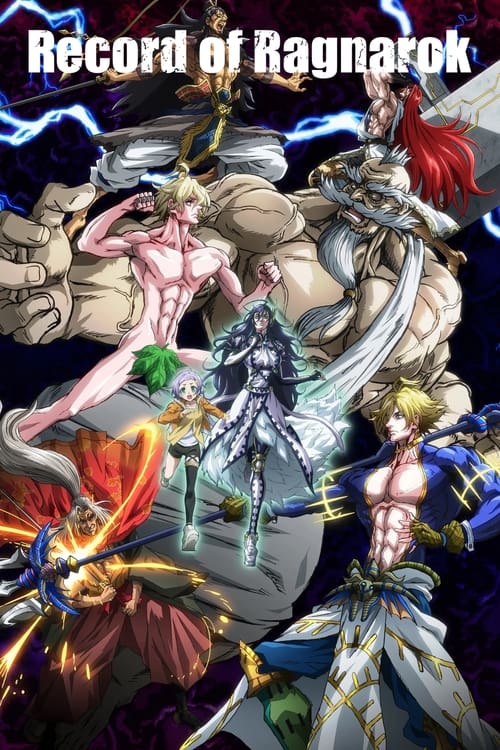
In the beginning, the gods of the Norse pantheon convene in a grand hall to discuss the fate of humanity. They express their disdain for humans, believing they have become unworthy of existence due to their destructive tendencies. The gods decide to eradicate humanity, but before they can proceed, the Valkyrie Brunhilde intervenes. She proposes a tournament called Ragnarok, where humanity can fight for their survival against the gods. The gods agree, intrigued by the challenge.
Brunhilde gathers a team of human champions to represent humanity in the tournament. She chooses seven legendary figures from history, including the likes of Adam, the first man; Lu Bu, a fierce warrior from China; and others who embody the strength and spirit of humanity. Each champion is selected for their unique abilities and historical significance, and Brunhilde believes they can stand against the gods.
The first match of Ragnarok pits Adam against Zeus, the king of the gods. The arena is set, and the atmosphere is charged with tension as both sides prepare for battle. Adam, representing humanity, is confident and determined, while Zeus exudes arrogance and power. The fight begins with Zeus launching a series of powerful attacks, showcasing his godly strength. Adam, however, counters with his own abilities, demonstrating incredible agility and reflexes.
As the battle progresses, Adam reveals his ability to mimic the moves of his opponents, which he uses to counter Zeus's attacks effectively. The fight escalates, with both combatants exchanging devastating blows. Adam's determination to protect humanity fuels his strength, while Zeus becomes increasingly frustrated by Adam's resilience. The fight reaches a climax when Adam unleashes a powerful counterattack, landing a significant blow on Zeus.
Despite the odds, Zeus manages to recover and retaliates with his ultimate attack, the "Thunderbolt." Adam, however, taps into his inner strength and counters with a move that reflects Zeus's own power back at him. The clash of their abilities creates a massive explosion, and for a moment, it seems as though Adam might emerge victorious. However, in the end, Zeus's divine power overwhelms Adam, leading to his defeat. Adam's sacrifice inspires the other human champions, igniting their resolve to continue fighting.
Following Adam's loss, the second match features Lu Bu against Thor, the god of thunder. The arena is filled with anticipation as Lu Bu, known for his unmatched combat skills, prepares to face Thor. The two warriors clash, and the fight begins with Thor showcasing his immense strength and control over lightning. Lu Bu, undeterred, uses his agility and tactical prowess to evade Thor's attacks.
As the battle unfolds, Lu Bu employs a series of strategic maneuvers, using the environment to his advantage. He lands several powerful strikes on Thor, who begins to respect Lu Bu's fighting spirit. However, Thor retaliates with his own ferocity, summoning lightning to enhance his attacks. The fight intensifies, with both warriors pushing their limits.
In a pivotal moment, Lu Bu channels his inner strength and unleashes a powerful attack, but Thor counters with his hammer, Mjölnir, creating a shockwave that sends Lu Bu flying. Despite the pain, Lu Bu rises again, determined to fight for humanity. The battle reaches its peak when Lu Bu and Thor engage in a final showdown, with Lu Bu attempting to land a decisive blow. However, Thor's experience and power ultimately lead to Lu Bu's defeat, leaving humanity reeling from another loss.
The third match features the legendary warrior, Jack the Ripper, against Hercules. Jack, known for his cunning and unpredictability, approaches the fight with a different strategy. He uses psychological tactics to unsettle Hercules, who is initially taken aback by Jack's unconventional fighting style. The match begins with Jack employing hit-and-run tactics, avoiding direct confrontation while taunting Hercules.
As the fight progresses, Jack reveals his ability to manipulate the battlefield, using traps and distractions to gain the upper hand. Hercules, frustrated by Jack's evasive maneuvers, begins to lose his composure. Jack's relentless attacks and psychological warfare wear down Hercules, who struggles to adapt to Jack's unpredictable style.
In a critical moment, Jack manages to land a significant blow on Hercules, causing the god to falter. Seizing the opportunity, Jack unleashes a flurry of attacks, pushing Hercules to his limits. The fight culminates in a dramatic showdown where Jack uses his cunning to outsmart Hercules, ultimately leading to Hercules's defeat. This victory reignites hope for humanity, showcasing their resilience and ingenuity.
The fourth match features the legendary warrior, Raiden Tameemon, against Poseidon. Raiden, a sumo wrestler, enters the arena with a calm demeanor, while Poseidon exudes confidence as the god of the sea. The match begins with Poseidon launching a series of powerful water-based attacks, attempting to overwhelm Raiden. However, Raiden stands firm, using his immense strength to absorb the blows.
As the battle unfolds, Raiden employs his sumo techniques, using his weight and balance to counter Poseidon's attacks. The fight becomes a clash of strength and strategy, with Raiden gradually gaining the upper hand. Poseidon, realizing he is being outmatched, resorts to more aggressive tactics, summoning massive waves to try and drown Raiden.
In a pivotal moment, Raiden channels his inner strength and executes a powerful sumo move, sending Poseidon crashing to the ground. The arena shakes as Raiden's determination shines through. However, Poseidon, refusing to be defeated, unleashes his full power, creating a massive tidal wave. Raiden, with sheer willpower, stands his ground and counters the wave, leading to a climactic showdown.
The fight reaches its peak as both warriors unleash their ultimate techniques. Raiden's strength and determination ultimately lead to Poseidon's defeat, marking another victory for humanity. The crowd erupts in cheers, and Raiden's victory serves as a testament to the strength of human spirit.
The fifth match features the legendary warrior, Nikola Tesla, against the god of war, Ares. Tesla, known for his intellect and innovation, approaches the fight with a strategic mindset. The match begins with Ares charging at Tesla, showcasing his brute strength. Tesla, however, uses his inventions and gadgets to create barriers and distractions, evading Ares's attacks.
As the battle progresses, Tesla employs a series of technological innovations, using electricity and gadgets to counter Ares's brute force. Ares, frustrated by Tesla's evasive tactics, becomes increasingly aggressive, attempting to overpower Tesla with sheer strength. However, Tesla's ingenuity allows him to stay one step ahead.
In a critical moment, Tesla activates a powerful device that amplifies his electrical attacks, catching Ares off guard. The fight escalates as Tesla unleashes a barrage of electrical strikes, pushing Ares to his limits. Ares, realizing he is being outmatched, attempts to unleash his full power, but Tesla's strategic thinking ultimately leads to Ares's defeat.
The sixth match features the legendary warrior, Qin Shi Huang, against the goddess Athena. Qin, known for his tactical brilliance, enters the arena with confidence. The match begins with Athena showcasing her combat skills, but Qin employs his strategic mind to counter her attacks. The fight becomes a battle of wits, with both combatants trying to outmaneuver each other.
As the battle unfolds, Qin uses his knowledge of tactics and strategy to gain the upper hand. Athena, realizing she is being outsmarted, becomes more aggressive, attempting to overpower Qin. However, Qin's determination and strategic thinking allow him to stay in the fight.
In a pivotal moment, Qin executes a brilliant tactical maneuver, catching Athena off guard and landing a significant blow. The fight reaches its climax as both warriors unleash their ultimate techniques. However, Qin's strategic brilliance ultimately leads to Athena's defeat, marking another victory for humanity.
The final match features the legendary warrior, Buddha, against the god of destruction, Shiva. Buddha, known for his wisdom and enlightenment, approaches the fight with a calm demeanor. The match begins with Shiva showcasing his destructive power, but Buddha remains composed, using his wisdom to counter Shiva's attacks.
As the battle progresses, Buddha employs a series of philosophical tactics, attempting to reach Shiva on a deeper level. The fight becomes a clash of ideologies, with both combatants trying to understand each other. Buddha's calmness and wisdom allow him to evade Shiva's destructive attacks.
In a critical moment, Buddha reveals his true power, showcasing his ability to transcend the physical realm. The fight escalates as both warriors unleash their ultimate techniques. However, Buddha's enlightenment ultimately leads to Shiva's defeat, marking a final victory for humanity.
With the conclusion of the tournament, humanity emerges victorious, having proven their worth against the gods. The gods, humbled by the strength and resilience of humanity, reconsider their decision to eradicate them. Brunhilde's plan succeeds, and humanity is granted a second chance, showcasing the enduring spirit of human determination.

What is the ending?
In the ending of "Record of Ragnarok," the final battle between humanity and the gods culminates in a fierce showdown between the legendary warrior, Adam, and the god Zeus. Adam showcases his incredible fighting skills and determination, but ultimately, he is defeated by Zeus. Despite his loss, Adam's spirit inspires humanity, leading to a moment of reflection on the value of fighting for one's existence. The series concludes with the gods celebrating their victory, while humanity is left to ponder their future.
As the final battle approaches, the arena is filled with tension and anticipation. The gods, confident in their superiority, gather to witness the clash between Adam and Zeus. Adam, embodying the essence of humanity's resilience, stands firm, his eyes burning with determination. He recalls the sacrifices made by his fellow humans and the weight of their hopes resting on his shoulders.
The battle begins with a flurry of movement. Adam, with his unparalleled speed and agility, dodges Zeus's powerful strikes, showcasing his ability to read his opponent's moves. The arena reverberates with the sound of their clashes, each blow echoing the stakes of their conflict. Adam's resolve is palpable; he fights not just for himself but for all of humanity, channeling their collective strength into each attack.
As the fight progresses, Adam reveals his unique ability to mimic the fighting style of his opponents, a skill that allows him to counter Zeus's divine techniques. The audience is captivated, witnessing the raw power of humanity's spirit against the might of the gods. Adam's movements are fluid, a dance of defiance against the overwhelming odds stacked against him.
However, as the battle intensifies, Zeus unleashes his full power, demonstrating the vast difference in their abilities. Adam, despite his incredible prowess, begins to falter under the relentless assault. The emotional weight of the fight bears down on him; he feels the burden of humanity's hopes and dreams, and the realization that he may not be able to secure their future weighs heavily on his heart.
In a climactic moment, Adam channels all his remaining strength into a final attack, a desperate bid to turn the tide. He strikes with everything he has, but Zeus, with his godly might, counters effortlessly. The impact of their clash sends shockwaves through the arena, and in a heartbreaking moment, Adam is ultimately defeated. As he falls, he reflects on the fight, knowing he gave everything for humanity.
In the aftermath of the battle, Zeus stands victorious, his expression a mix of triumph and contemplation. The gods celebrate their win, but there is an underlying tension in the air. Adam's defeat serves as a poignant reminder of the fragility of life and the relentless spirit of humanity. The series closes with a sense of uncertainty for humanity's future, leaving viewers to ponder the implications of the battle and the resilience of the human spirit in the face of insurmountable odds.
The fate of the main characters is sealed in this final confrontation: Adam, the embodiment of humanity's fight, falls but leaves behind a legacy of courage; Zeus, the god who triumphed, is left to reflect on the cost of victory; and humanity, though defeated in this round, is inspired to continue fighting for their existence. The ending encapsulates the ongoing struggle between gods and humans, emphasizing the themes of sacrifice, resilience, and the enduring spirit of life.
Who dies?
In the anime "Record of Ragnarok," several characters face death during the intense battles between gods and humanity. Here are the key characters who die, along with the circumstances surrounding their deaths:
- Thor:
-
Circumstances of Death: Thor, the Norse god of thunder, faces off against the human fighter, Lu Bu. During their battle, Thor showcases his immense power and combat skills. However, Lu Bu, driven by his desire to protect humanity and fueled by his own warrior spirit, manages to land a critical blow. In a climactic moment, Lu Bu uses his signature weapon, the "Sky Piercer," to strike Thor, who ultimately succumbs to the injury. Thor's death is significant as it represents the fall of a powerful deity and the potential for humanity to triumph against the gods.
-
Hercules:
-
Circumstances of Death: Hercules, the Greek demigod known for his strength and heroic feats, battles against Jack the Ripper, a cunning and strategic human fighter. Throughout their fight, Hercules underestimates Jack's intelligence and resourcefulness. Jack employs a series of clever tactics and traps, ultimately leading to Hercules' demise. In a moment of desperation, Jack manages to exploit Hercules' overconfidence, delivering a fatal blow. Hercules' death is poignant, as it highlights the theme of intellect versus brute strength, showcasing that even the mightiest can fall.
-
Buddha:
- Circumstances of Death: In a later battle, Buddha, who has taken a neutral stance in the conflict, faces off against the god of war, Ares. Buddha's philosophy and approach to combat are unique, as he seeks to find a balance between peace and conflict. However, during the fight, Ares' relentless aggression and desire for dominance lead to a tragic confrontation. Buddha, in an effort to protect the balance of the world, sacrifices himself, allowing Ares to strike him down. His death serves as a powerful commentary on the nature of sacrifice and the complexities of existence.
These deaths are pivotal moments in "Record of Ragnarok," each contributing to the overarching narrative of the struggle between gods and humanity, and they evoke a range of emotions from the characters involved, as well as the audience. The battles are not just physical confrontations but also deeply tied to the characters' motivations, beliefs, and the stakes of their respective worlds.
Is there a post-credit scene?
In the 2021 anime "Record of Ragnarok," there is indeed a post-credit scene that adds an intriguing layer to the story. After the main credits roll, viewers are treated to a brief but impactful moment that hints at future developments.
The scene opens with a dark, ominous atmosphere, showcasing the aftermath of the intense battles that have taken place in the arena. The camera pans over the battlefield, littered with remnants of the fierce combat between gods and humans. The tension in the air is palpable, as the stakes of the ongoing tournament loom large.
As the scene progresses, the focus shifts to a shadowy figure standing at the edge of the arena. This figure is shrouded in mystery, their features obscured, but a sense of power emanates from them. The character's presence suggests that they hold significant importance in the overarching narrative, possibly hinting at new alliances or challenges that the protagonists will face in the future.
The scene concludes with a cryptic line of dialogue that leaves viewers with a sense of anticipation and curiosity about what lies ahead. This moment serves to deepen the intrigue surrounding the tournament and the characters involved, setting the stage for potential conflicts and revelations in subsequent episodes.
Overall, the post-credit scene effectively teases future plot developments while maintaining the show's signature blend of tension and excitement, leaving fans eager for more.
Who are the main gods participating in the Ragnarok tournament?
The main gods participating in the Ragnarok tournament include Zeus, Odin, Poseidon, and Hermes, among others. Each god represents their respective pantheon and brings unique abilities and powers to the battles.
What motivates Adam to fight in the tournament?
Adam is motivated by his desire to protect humanity and prove their worth against the gods. He embodies the spirit of humanity, showcasing resilience and determination, driven by the love for his descendants and the hope for a future where humans can thrive.
How does the battle between Thor and Lu Bu unfold?
The battle between Thor and Lu Bu is intense and visually striking, showcasing their immense strength and combat skills. Thor wields his mighty hammer, Mjolnir, while Lu Bu displays his agility and martial prowess. The fight is filled with powerful strikes, devastating blows, and moments of near defeat, highlighting both characters' determination and fighting spirit.
What is the significance of the Valkyries in the tournament?
The Valkyries play a crucial role in the tournament as they are tasked with selecting and empowering human fighters. They serve as both guides and combat partners, enhancing the abilities of the chosen warriors. Their emotional struggles and loyalties add depth to the narrative, as they grapple with their own feelings towards the gods and the fate of humanity.
How does the character of Zeus portray the theme of divine arrogance?
Zeus embodies divine arrogance through his overwhelming confidence and disdain for humanity. His interactions with other gods and fighters reveal his belief in the superiority of the gods, often underestimating human potential. This arrogance drives his actions in the tournament, leading to pivotal moments that challenge his perspective and ultimately impact the outcome of the battles.
Is this family friendly?
"Record of Ragnarok" is not considered family-friendly due to its mature themes and graphic content. Here are some potentially objectionable or upsetting aspects that may affect children or sensitive viewers:
-
Violence: The series features intense and graphic battles between gods and historical figures, showcasing bloodshed and injuries that can be quite graphic.
-
Death: Characters face mortal combat, leading to death and destruction, which may be distressing for younger audiences.
-
Themes of War and Conflict: The overarching premise revolves around a battle for humanity's survival, which includes themes of existential dread and the consequences of conflict.
-
Mature Language: The dialogue includes strong language and adult themes that may not be suitable for younger viewers.
-
Nudity and Sexual Content: There are instances of nudity and suggestive themes that may be inappropriate for children.
-
Emotional Turmoil: Characters experience deep emotional struggles, including despair, anger, and betrayal, which may be heavy for sensitive viewers.
Overall, the series is aimed at a mature audience and contains elements that could be upsetting or inappropriate for children.